Rebuilding Adventure at Skylark Ranch
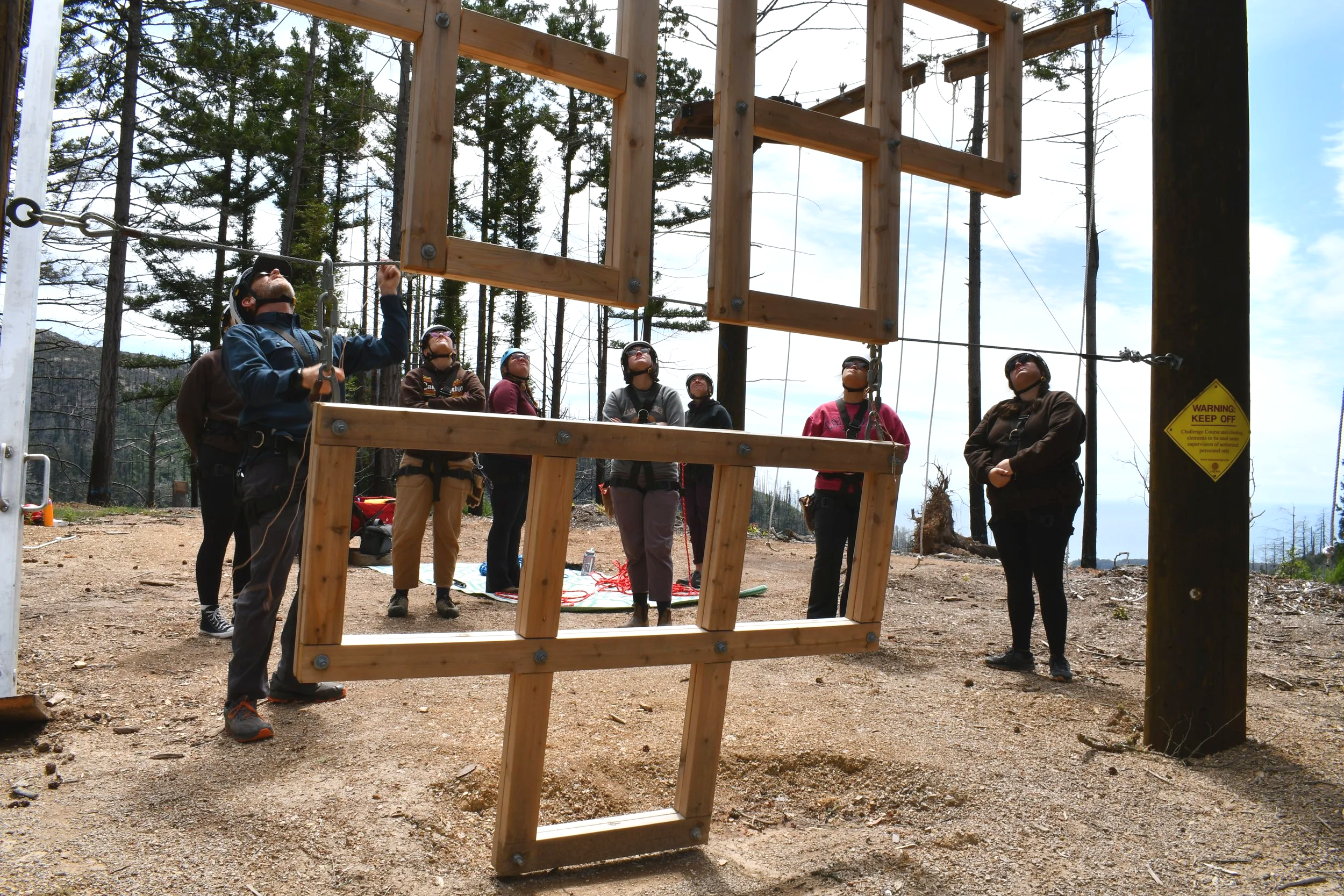
After the CZU Lightning Complex Fires, Girl Scouts of Northern California had the opportunity to rebuild their challenge course design from a clean slate.
Instead of recreating what was there before, they stepped back and asked a different question:
What would actually work best for their program now?
That shift shaped everything that followed.
Start with how the day actually works
From the start, the priorities were clear. Keep it flexible. Keep it efficient. Make it engaging without overcomplicating operations.
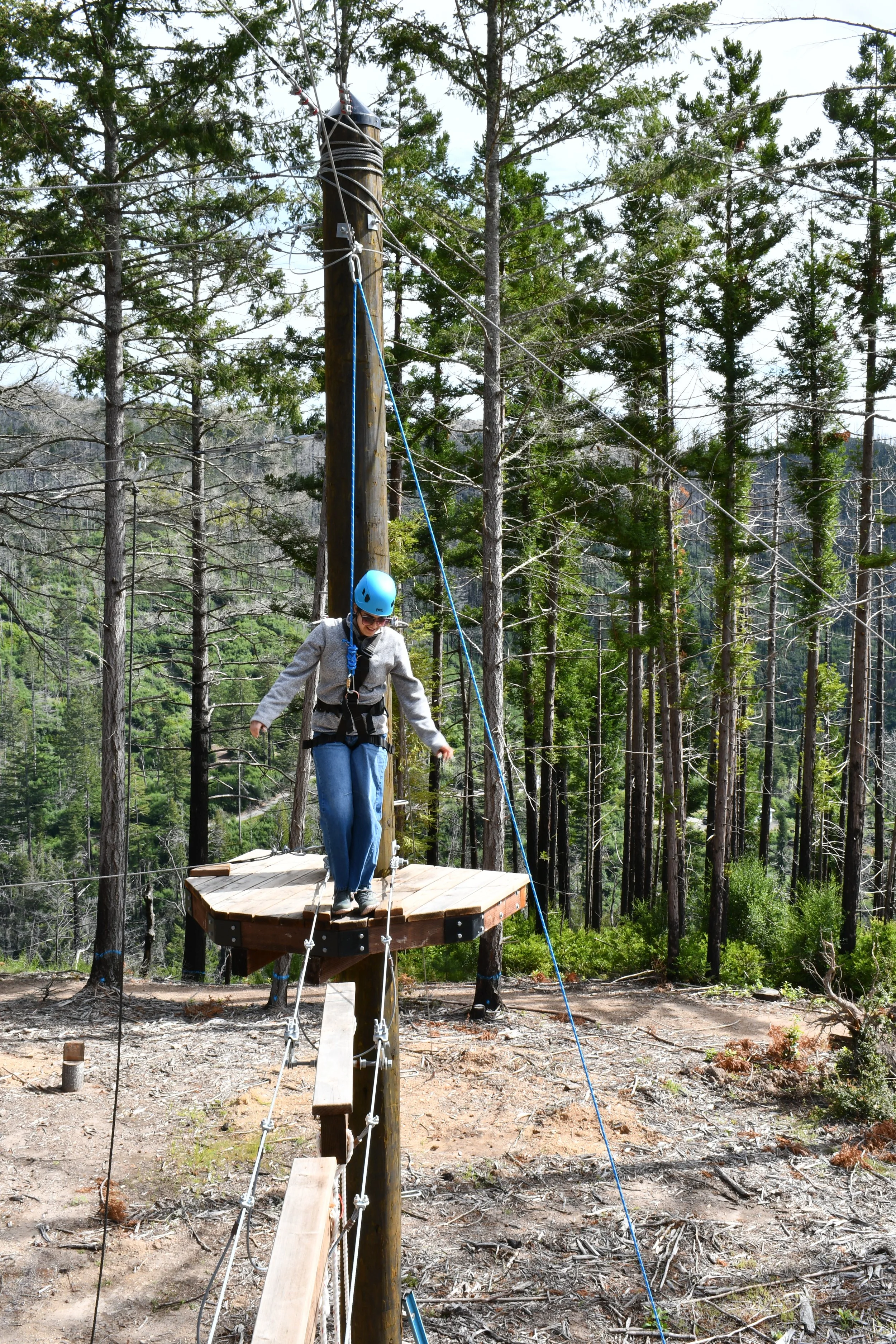
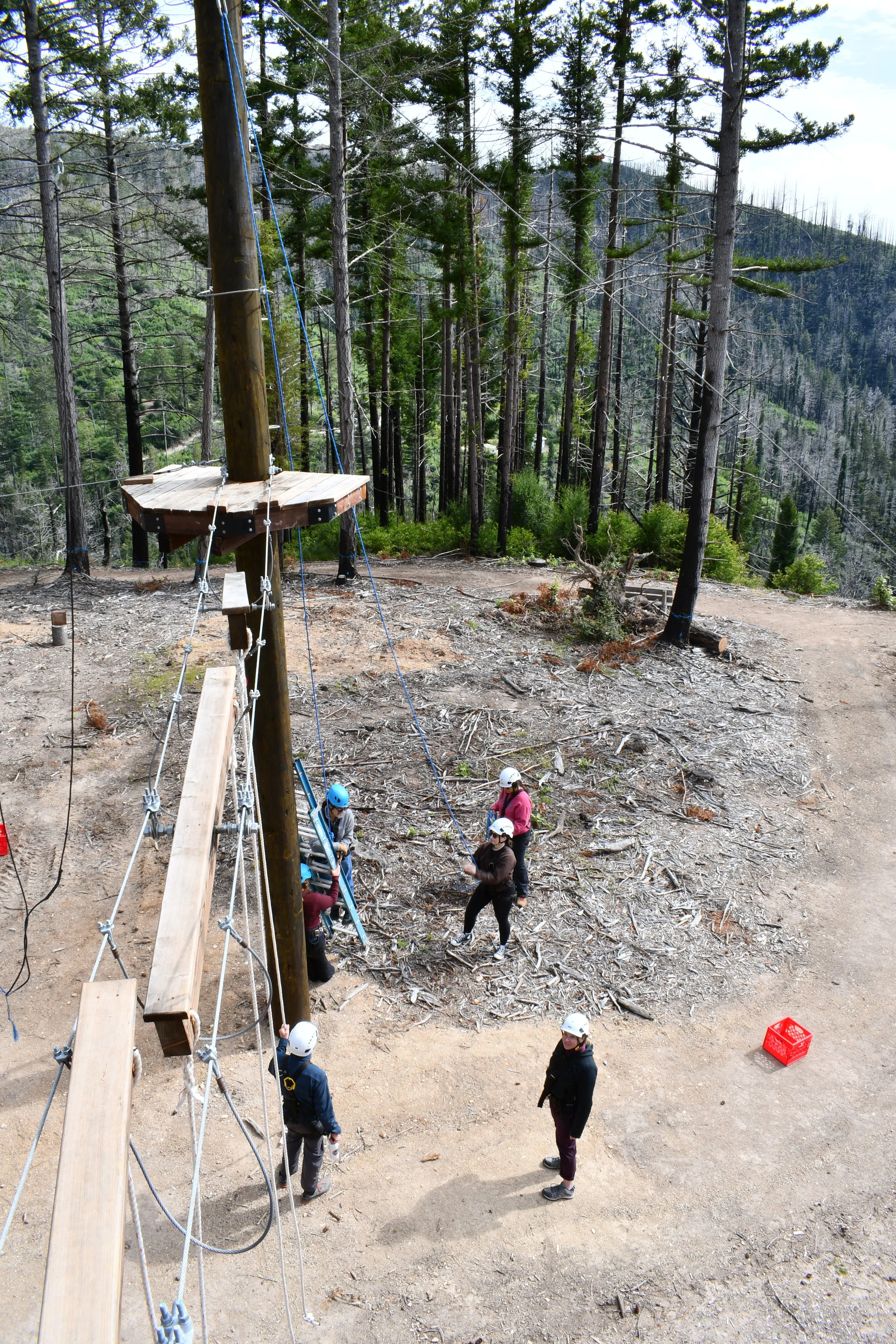
The result is a pole-based challenge course built around multiple independent activity stations using dynamic belay systems.
In practice, that means staff can run several elements at once, or scale things back depending on the day, without sacrificing the experience.
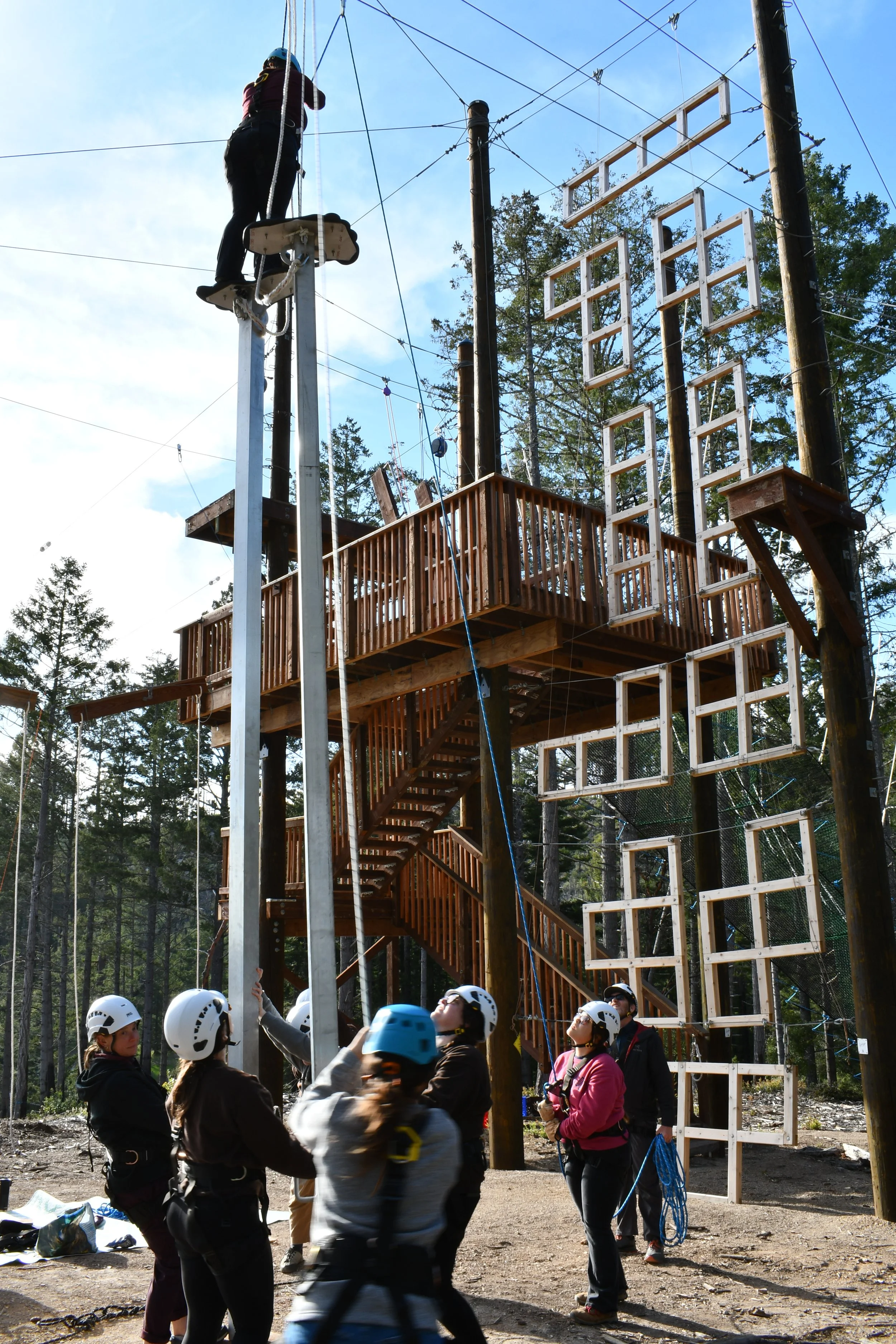
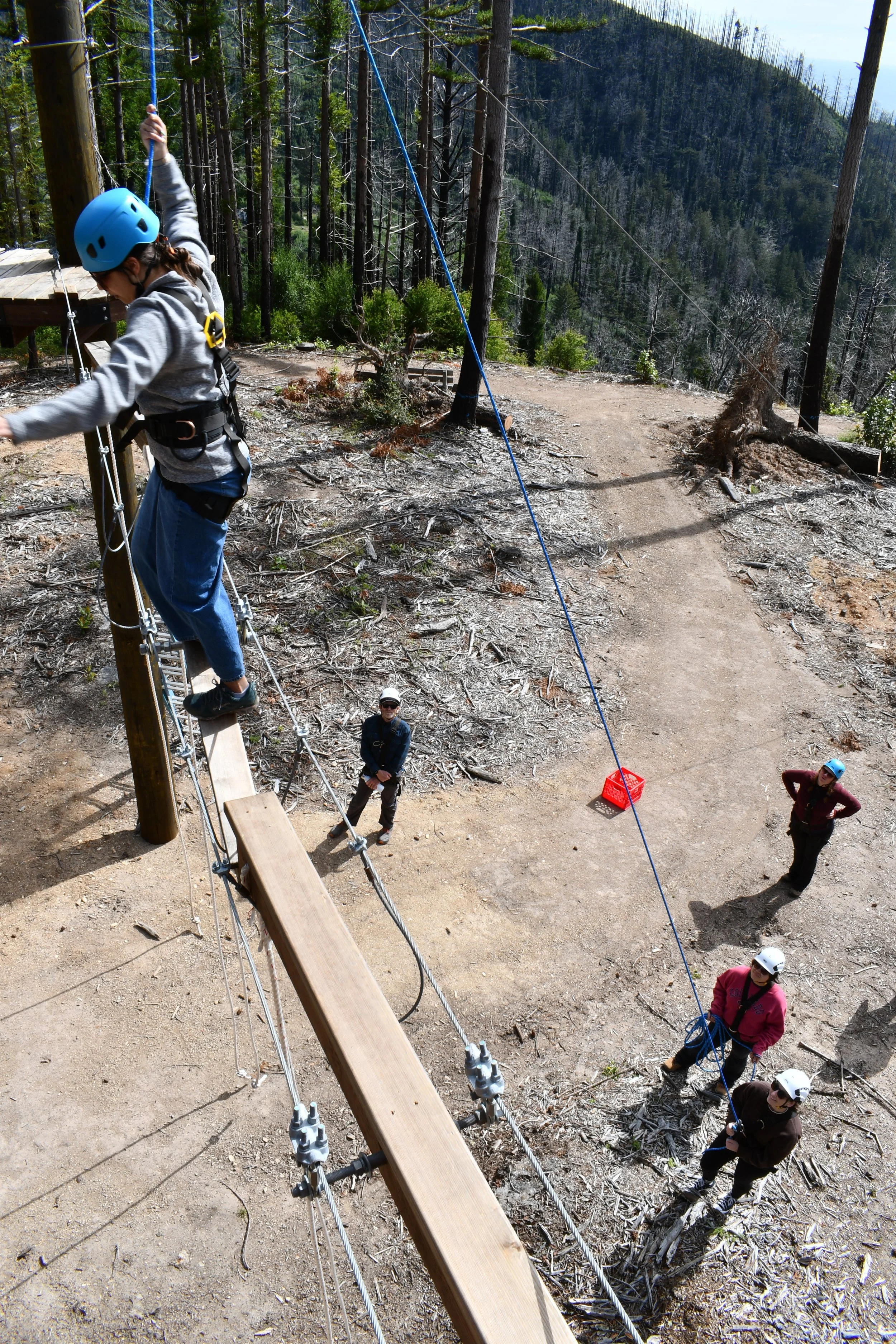
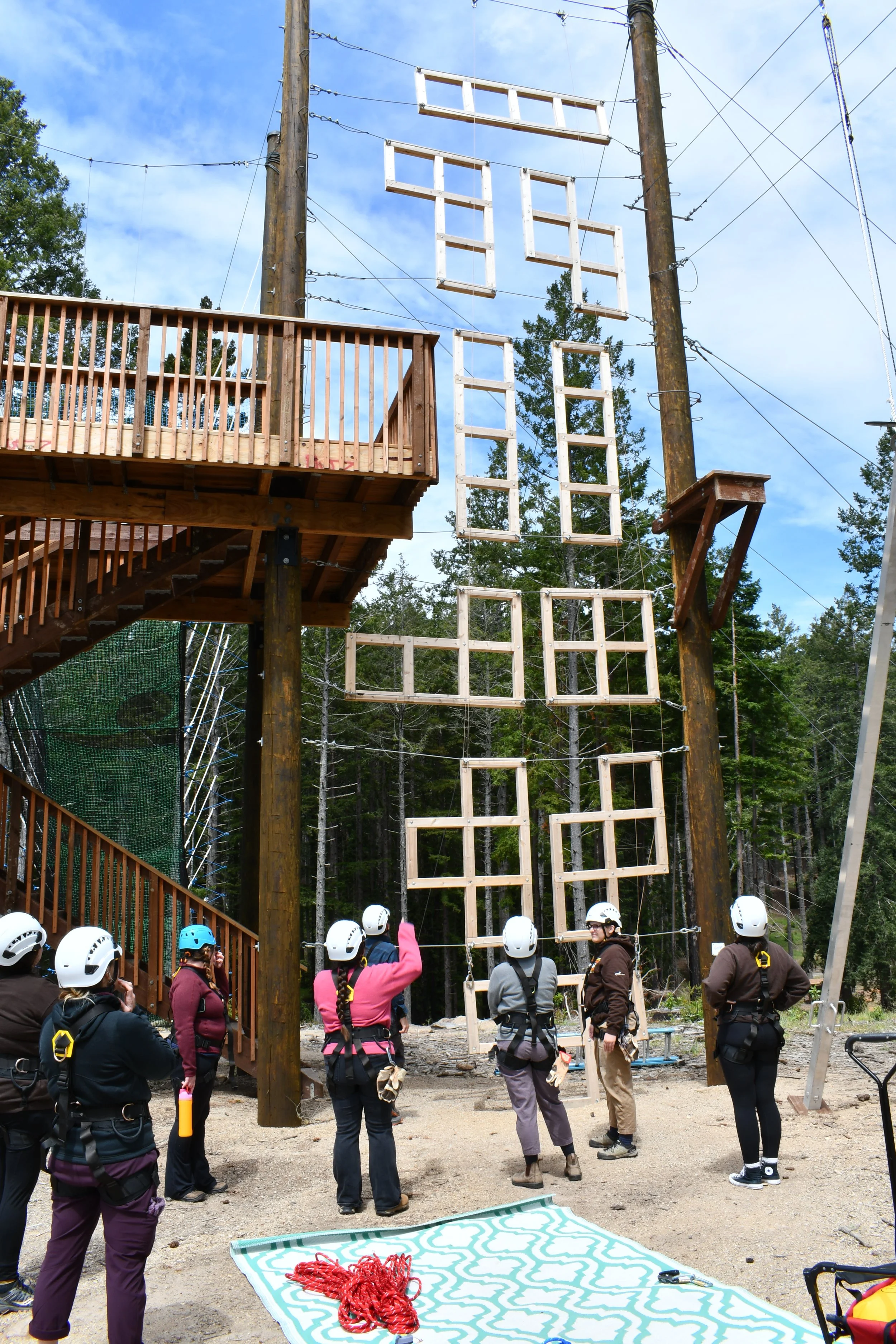
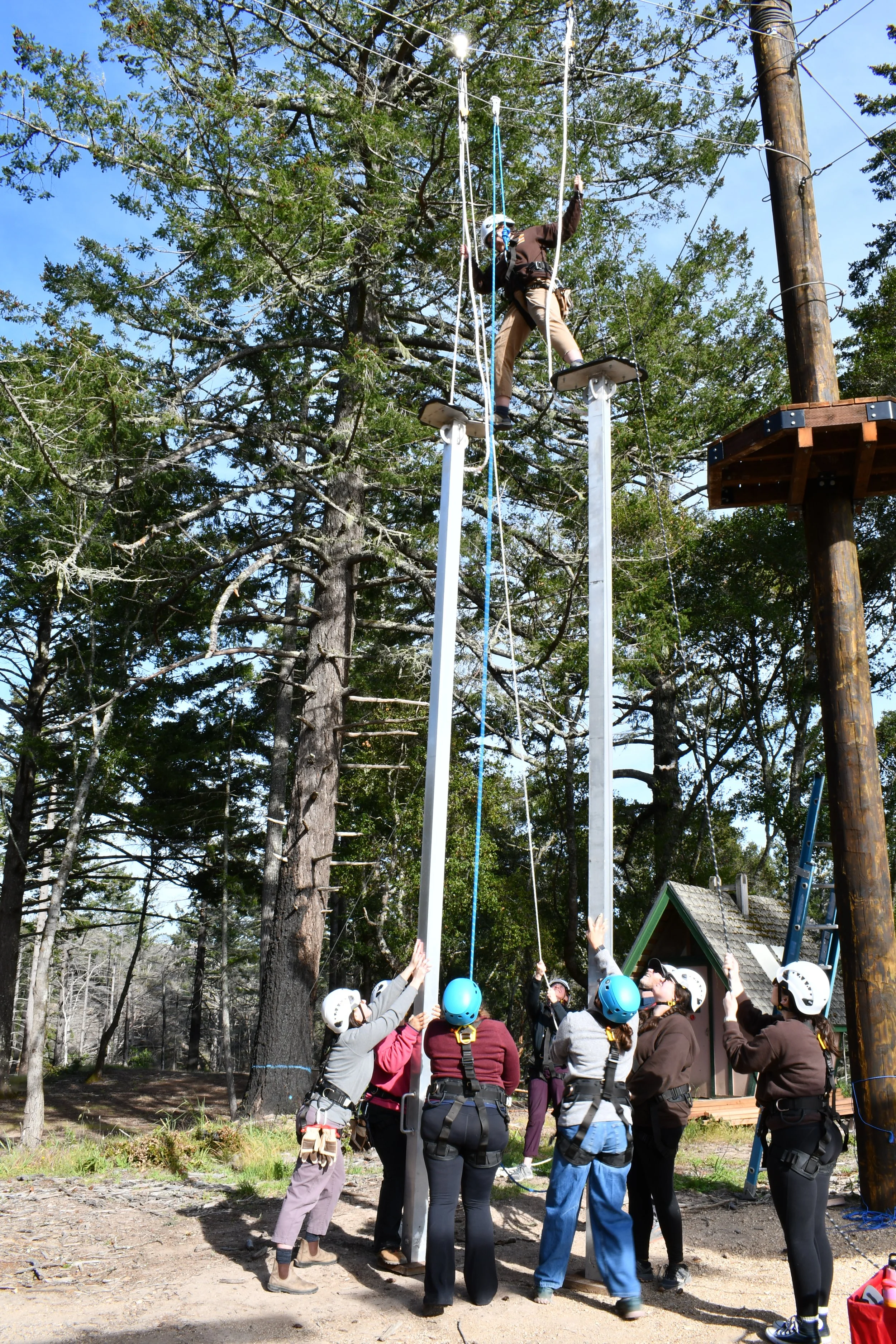
The lineup includes vertical climbing challenges, dynamic traverses, Flying Squirrel, and crate stacking. Each element brings something different, but the bigger win is how they work together as a system.
It’s not just a collection of activities. It’s a course that adapts to real staffing and real camp flow, which is ultimately what good challenge course design should do.
Make it bigger than the person on belay
One of the biggest shifts in this design is who gets to be part of the experience.
Many of the elements were intentionally built to involve campers on the ground. Cheering, assisting, staying engaged even when they’re not clipped in.
That changes the feel of the entire space.
Instead of a series of individual turns, it becomes something shared. More energy, more connection, and a stronger sense of group participation.
It’s a small design decision that makes a big difference in how the course actually feels in use.
Give them something they’ll remember
The addition of Eagle’s Flight gives the course a clear high point.
Using a TruBlue descent paired with a traversing system, it creates a smooth, accessible exit that still feels like a real moment.
It’s the kind of element that sticks with campers long after they leave, and it helps anchor the course as a central part of the program.
Built to hold up over time
Choosing a pole-based system also brings some practical advantages.
Compared to tree-based courses, it offers more consistency over time, lower maintenance demands, and fewer variables to manage as the environment changes.
For a camp focused on rebuilding with longevity in mind, that matters, especially when paired with strong internal systems and training your team to handle periodic inspections.
The difference is in the design
This project isn’t just about a new course, it reflects a lot of what we’re seeing in operation reviews across different types of programs.
It’s a good example of what happens when design starts with how a program actually operates.
Flexible staffing. Shared experiences. Systems that hold up over time.
None of those ideas are complicated. But when they’re built in from the start, everything runs smoother once the season gets busy. If you’ve been digging into this already, a lot of this will sound familiar — it’s the same patterns we’ve been tracking in what we’re seeing in operation reviews and how teams are planning for repairs.
This is the shift we’re seeing
Skylark Ranch is still in the process of rebuilding, but this course already stands out as a strong step forward.
It’s thoughtful, practical, and built for the way camp actually works, and that’s what makes it successful.
If you'd like to discuss a new project or how your course could potentially be modified to better meet your current staffing and program goals you can reach out to our team here. We love the puzzle of designing courses to align with your unique needs!