Building a Culture of Safety: What Strong Operations Have in Common

Spend enough time around challenge courses, zip lines, and aerial parks, and patterns start to show up.
The strongest operations aren’t just following the standards. They’ve built a culture where safety is part of how everything gets done, in small habits, daily decisions, and how teams communicate when no one’s watching.
After years of training, inspections, and operation reviews, we’ve had a front-row seat to what actually holds up in the field.
We’ve put together a list of what strong operations have in common and how they can directly apply to your business:
1. Training isn’t a checkbox
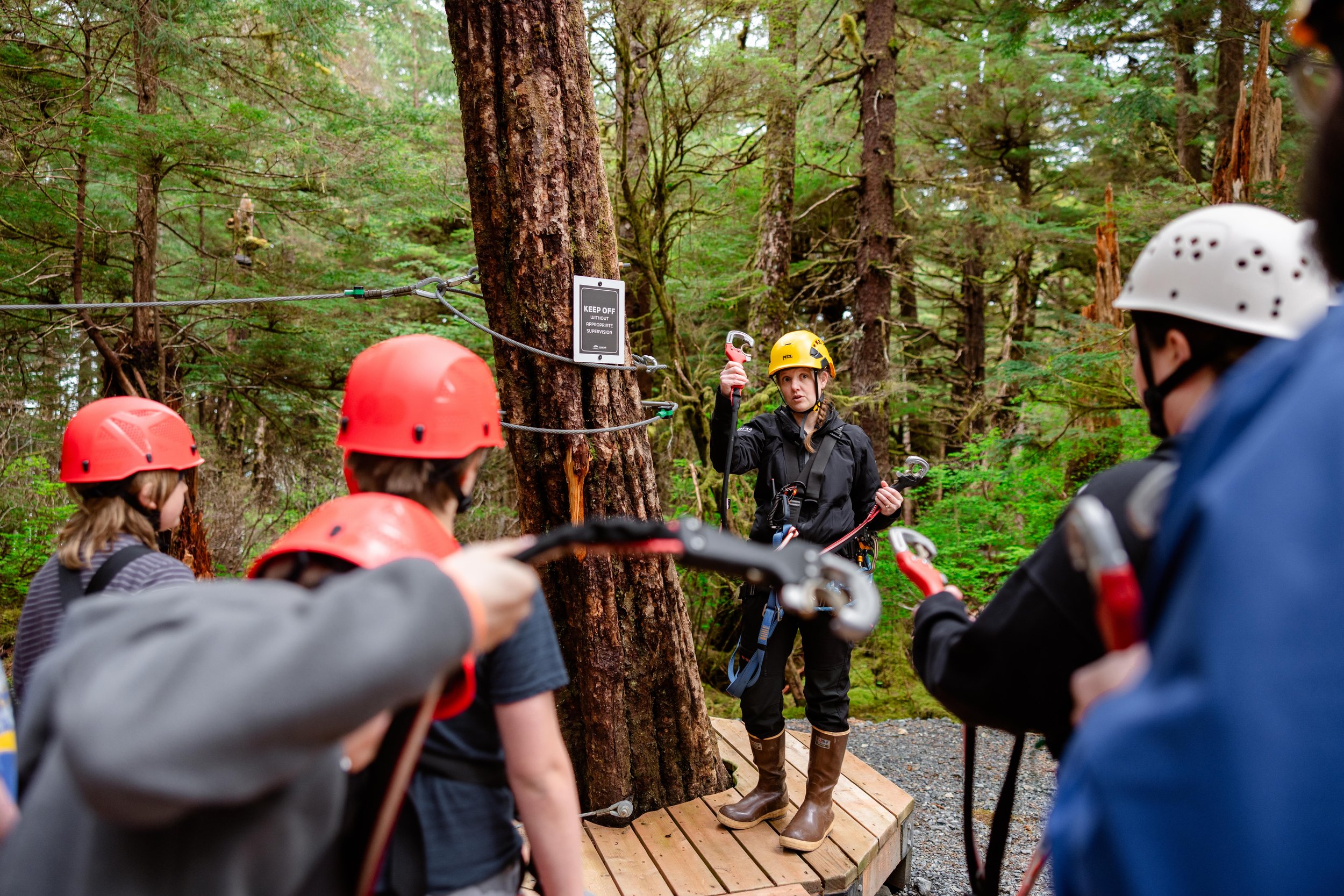
Every operation runs training. That’s not the differentiator. What stands out is how it’s delivered, and whether it actually prepares staff for real situations.
The teams that run the smoothest tend to:
Keep training hands-on and scenario-based
Set clear expectations around roles and decision-making
Make space for questions and real discussion
Build in refreshers throughout the season
It’s not about covering more content. It’s about making sure it sticks.
Because when things get busy, staff don’t fall back on what they were told, they fall back on what they actually understand.

2. Documentation is how you see what’s really happening
Documentation has a reputation for being a chore but in strong operations, it’s the opposite, it’s how you know what’s actually going on.
When logs are accurate and up to date, small issues show up early. When they’re rushed or inconsistent, things get missed until they’re harder to deal with.
The difference usually comes down to a few habits:
Inspections are completed in real time, not backfilled later
Equipment logs reflect actual use and condition
Near-misses are recorded and talked about, not ignored
Someone is regularly reviewing for gaps or patterns
Done well, documentation isn’t paperwork, it’s visibility.
3. The best insights come from the field
Your frontline staff see more than anyone else. They’re the first to notice when something feels off, when a process isn’t working, or when something is starting to wear in a way that doesn’t show up on paper yet.
The operations that benefit from that don’t just “allow” feedback, they build simple ways to collect it and actually use it.
That can look like:
Regular check-ins that go beyond “everything good?”
Clear, low-friction ways to report issues or near-misses
Following up on what gets reported so people know it matters
When staff know they’ll be heard, they pay closer attention.
And that awareness is one of the most valuable safety tools you have.
4. Strong teams build systems to learn, not just react
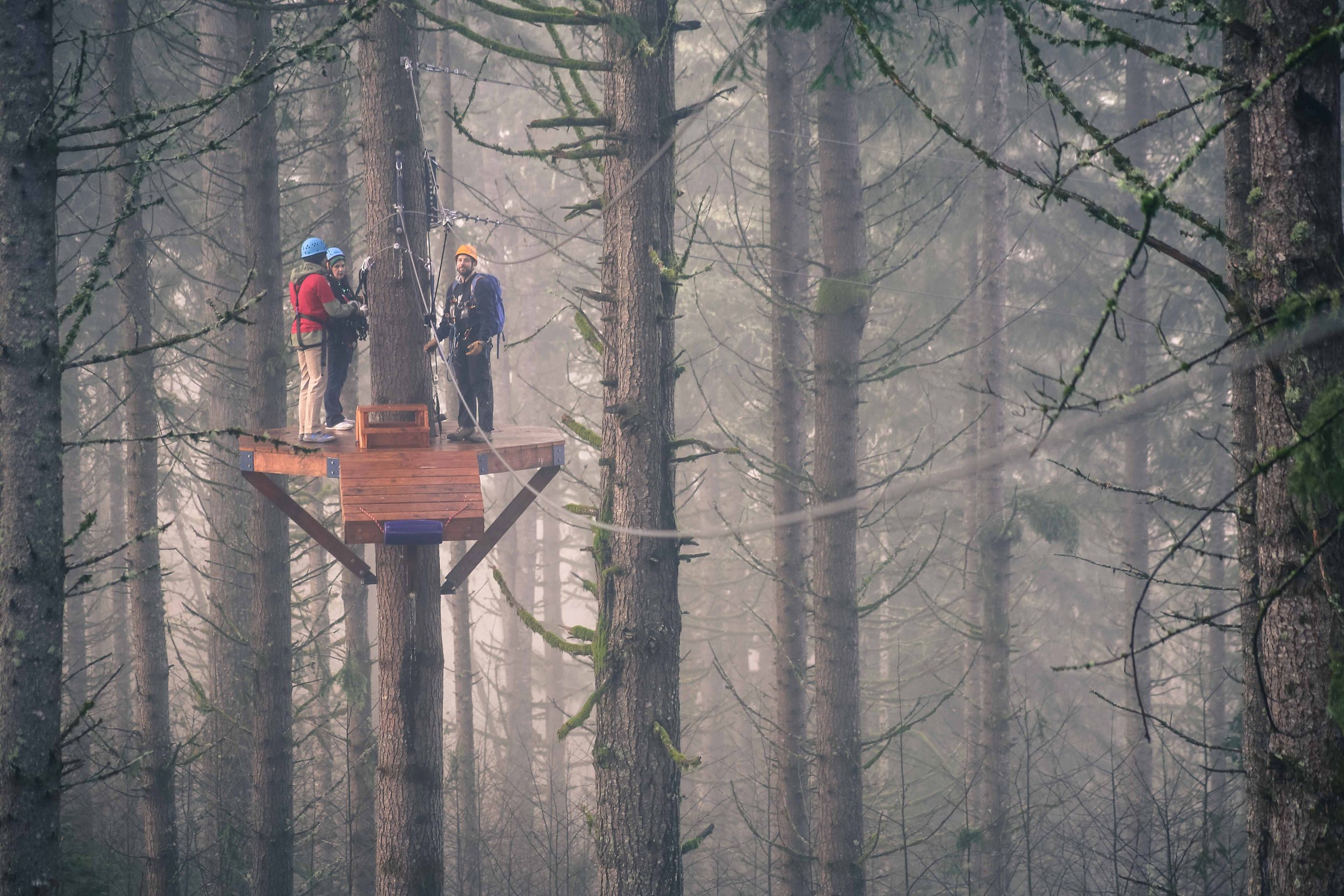
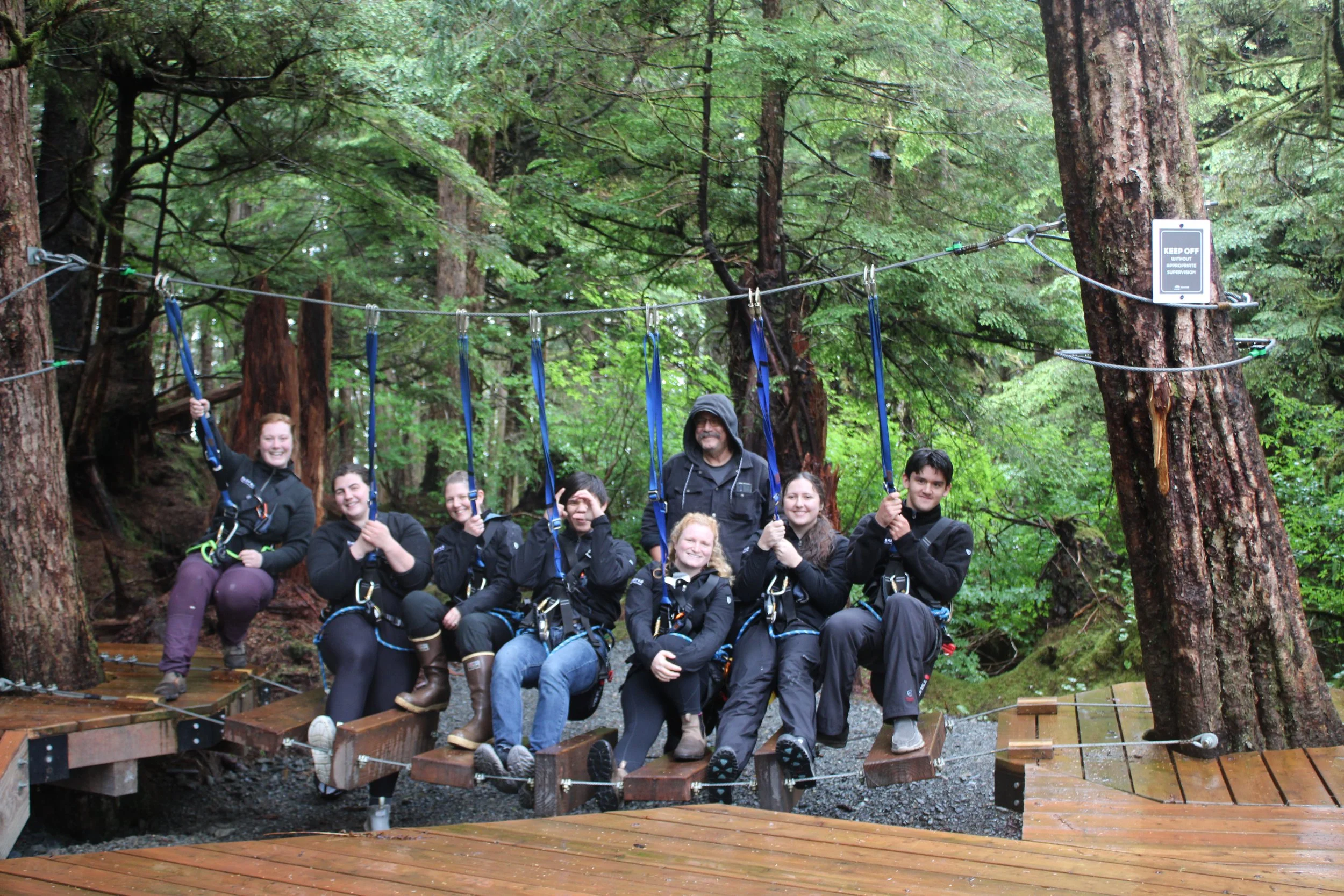
Issues, incidents, and wear patterns are part of the job. What matters is what happens next. The operations that improve year over year tend to have some kind of structure for stepping back and looking at the bigger picture.
Often, that’s a safety committee or regular review process focused on:
Looking at trends across inspections and incidents
Identifying root causes, not just surface issues
Making small, practical adjustments
Following up to see if those changes actually worked
The goal is not about adding complexity but about creating a feedback loop.
The common thread:
If there’s one thing that ties all of this together, it’s intention. Strong operations don’t leave safety to chance. They build it into how they train, how they document, and how they communicate day to day.
It doesn’t happen overnight. But with consistent attention in the right places, it becomes part of the rhythm of the operation, not something extra to manage.
If you’re looking at your own systems and wondering where to start, this is usually it.
Training. Documentation. Communication. Review.
Not flashy, but it’s what holds everything together once the season gets busy.
If you want a second set of eyes on how your operation is set up, we’re always happy to take a look!